



Navigating Fashion's Compliance Reckoning
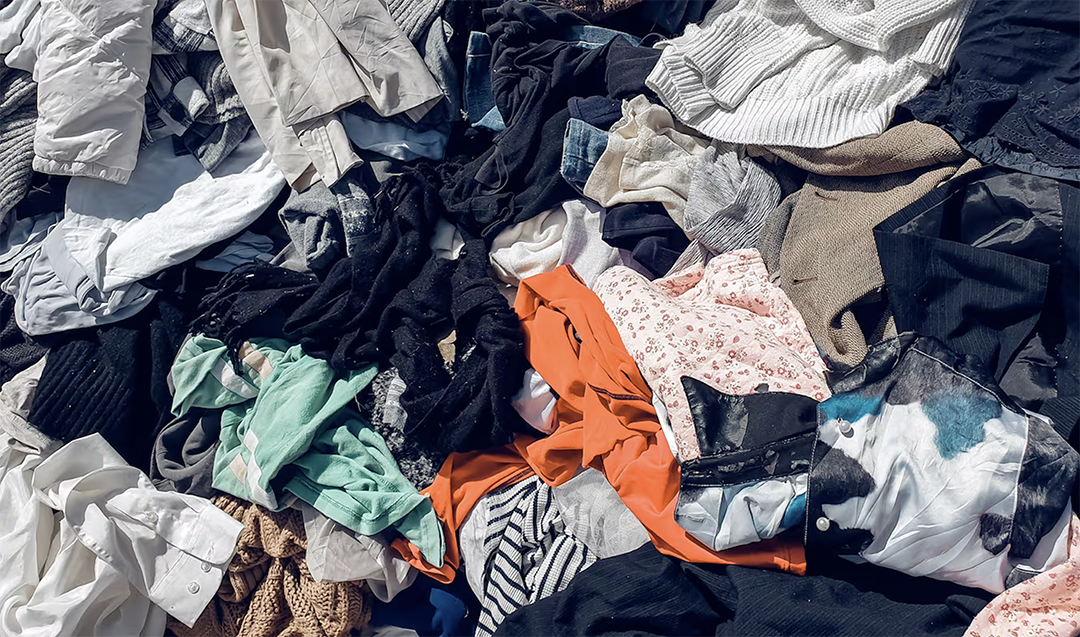
The fashion industry is navigating a significant “compliance reckoning,” as highlighted recently by Vogue Business. While Digital Product Passports (DPPs) have rightly captured attention for their role in transparency, Extended Producer Responsibility (EPR) is now demanding more focus.
EPR fundamentally shifts the financial and operational burden of a product’s end-of-life directly onto brands, compelling a re-evaluation of the entire product lifecycle.
The challenge extends beyond new regulations. The Vogue article highlights a critical “infrastructure gap”; the physical and economic systems required to collect, sort, and process products at scale are simply not ready for the volumes EPR will generate.
This means brands must move beyond just being compliant and rethink how products are designed, manufactured, and managed after they are consumed.
Additionally, silos within brands, where merchandising, sourcing, sustainability, and quality teams operate in isolation, exacerbate the problem, hindering the consolidation of accurate, product-level data essential for both DPP and EPR.
At TWO EIGHT ONE we understand that navigating this complex landscape requires more than just ticking boxes. It demands deep insight into global supply chains and innovative tools to manage data and processes effectively.
Our CLIV platform provides the visibility and data integrity needed to prepare for EPR, ensuring brands can track and trace products from concept to end-of-life. We help bridge the gap between fragmented data sources and operational realities, transforming compliance into a strategic advantage.
We’re helping brands like River Island and Superdry build resilient quality management supply chains that meet today’s demands and are ready for tomorrow’s challenges, fostering genuine transformation rather than just administrative burden.
Contact us to find out more and to get a demo of CLIV.